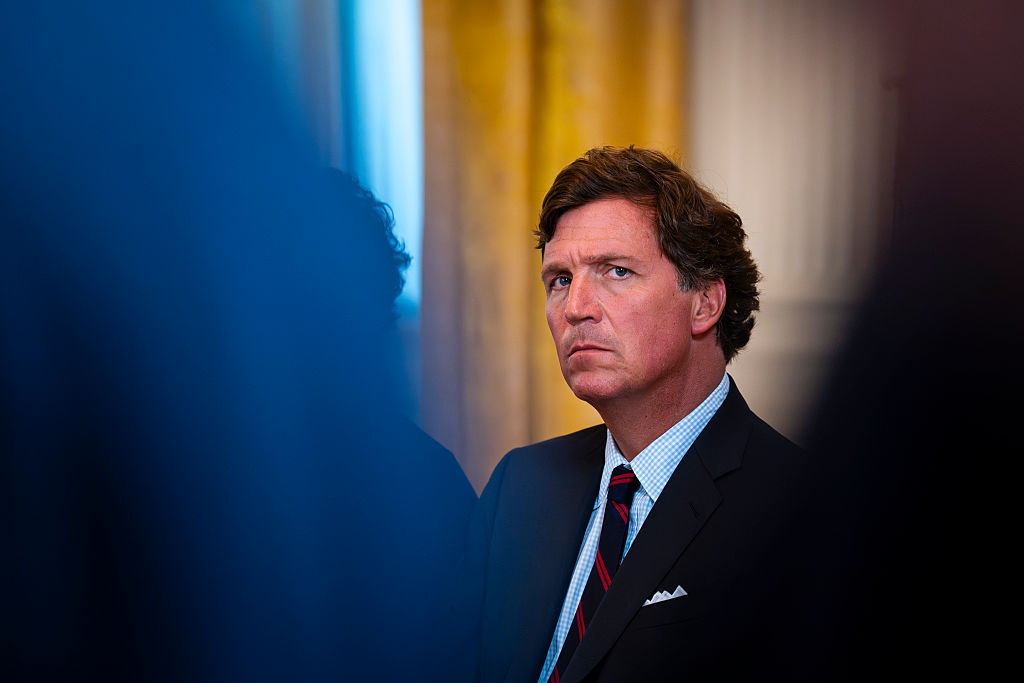
On the eve of pivotal U.S. midterm elections, a series of bizarre incidents and intense political maneuvering have heightened anxiety across the political spectrum. Following reports of high-level diplomatic calls and classified Senate briefings regarding military plans in the Middle East, media commentator Tucker Carlson published a startling claim on social media: that the administration is under heavy pressure to deploy a targeted tactical nuclear weapon against Pickaxe Mountain in central Iran, where uranium enrichment activities have reportedly resumed. The allegation suggests that key international allies are urging decisive action, even as internal policy factions remain divided over the potential for catastrophic global escalation.
Mounting Tensions and Political Pressure
The claim comes against a backdrop of severe domestic and international strain. Recent polling hints at significant political realignments that could severely limit executive authority in the coming years. At the same time, national security leaders have voiced alarm over military strategy in Iran. Prior to suffering a stroke, Senator Chris Murphy warned following a classified briefing that planned military operations in the region would represent a devastating escalation, arguing that the administration's trajectory could lead to "the likely destruction of our commitment to the rule of law."
Despite Carlson’s well-known access to inner political circles and key decision-makers, public reaction to his claims has been overwhelmingly skeptical. Many observers argue that his long history of inflammatory commentary makes him an inherently unreliable messenger, regardless of how severe the warning might be. As one commentator put it, "We really don’t need to let rabid propagandists rebrand themselves as reliable people." Others echoed this sentiment more bluntly, arguing that "Best not listen to Tucker Carlson about literally anything."
The Problem of the Messenger
For many, Carlson’s track record renders his statements impossible to take at face value. Critics view his claims as either tactical political positioning or self-interested attention-seeking rather than genuine whistleblowing. "His name is virtually synonym with being a liar," noted one observer, while another summarized the reaction as a classic dilemma of credibility: "This is a real broken clock right twice a day problem," which drew the sharp response, "But that doesn't make it a useful source of information."
However, others argue that when the subject matter involves potential military conflict on a global scale, dismissing reports solely based on the speaker's identity could carry immense risks. Given that the foreign policy decision-making apparatus is known to contain competing ideological factions, some urge caution. "I think you ignore anyone with insight with a warning that dire at your peril," one analyst noted. "Ignoring it outright just because it’s Carlson saying it is stupid."
Escalation Concerns and Strategic Realities
Beyond the debate over media personalities, the core concern remains whether executive decisions could drive the conflict past a point of no return. Skeptics of Carlson's specific nuclear claim point out that deploying non-conventional weapons would fundamentally shatter international norms and risk triggering broader global responses. Yet, the confluence of high-stakes domestic elections and volatile foreign conflicts creates an atmosphere where extreme outcomes are actively debated.
Whether Carlson's claims represent actionable insider knowledge or high-profile political theater, the broader conversation underscores a profound public distrust in both media figures and foreign policy messaging. As the political landscape grows increasingly unpredictable, separating strategic realities from sensational claims remains one of the most critical challenges facing the public.

