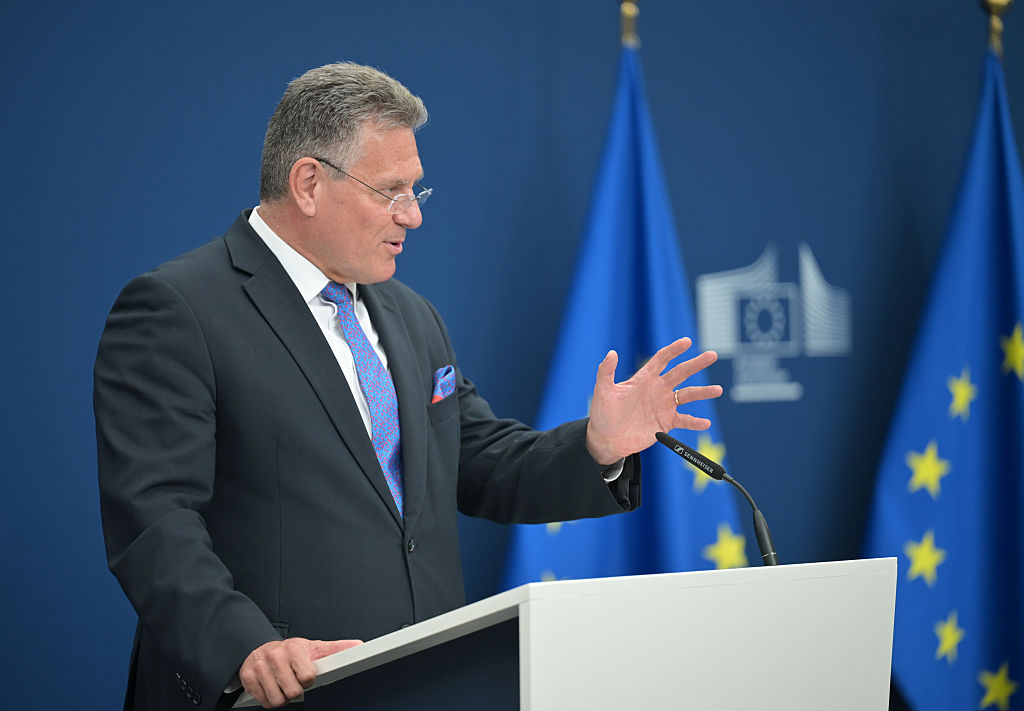
Recent warnings from Brussels have brought simmering economic tensions between the European Union and China back to the forefront. As European officials call on Beijing to balance the scales by purchasing more European goods, the debate highlights deeper structural shifts in global manufacturing, competitiveness, and consumer preferences.
The Anatomy of a Trade Imbalance
At the heart of the dispute is a persistent and growing trade deficit. European leadership argues that sustainable economic relations require two-way traffic rather than a one-sided flow of goods. However, identifying what China should buy remains a central challenge for policymakers. While Europe historically excelled in high-value manufacturing, automobiles, and luxury goods, market dynamics have shifted dramatically over the past two decades.
Critics point out that many traditional European exports face fierce competition—or have been entirely supplanted—by alternatives from Asia. In sectors ranging from commercial transport to consumer electronics, Asian manufacturers have outpaced their European counterparts in both agility and price competitiveness. As one observer noted, "Everything else has a Japanese, Korean, Taiwanese or pretty much any other Asian country equivalent."
Industrial Shifts and Competitiveness
Compounding the issue is the evolution of global supply chains. Many iconic European brands have increasingly relied on outsourced manufacturing, assembly partnerships, or components produced abroad. This integration makes drawing clear national lines around manufactured goods difficult.
Moreover, the rapid rise of advanced electric vehicles and green technology from Asian markets has challenged Europe's historic dominance in the automotive sector. While European regulators have historically set ambitious environmental benchmarks, domestic manufacturers have sometimes struggled to compete on cost and rapid innovation. Commenting on the shifting preferences in consumer markets, one participant observed, "The Europeans are laggards right now which is why Chinese EVs have limited competition."
The Path Forward
As Brussels weighs potential protective measures and tariffs to shield its industrial base, analysts remain divided on whether economic pressure can force a realignment. Some argue that true balance requires addressing currency frameworks and state-backed industrial policies, while others suggest that European industries must fundamentally reinvent their value proposition rather than relying on regulatory leverage.
Ultimately, the standoff underscores the fragile nature of interconnected global trade. Whether through renewed negotiations or a permanent reshaping of international supply chains, both economies face difficult choices in steering away from a broader trade conflict.
