Elon Musk has long been a figure synonymous with innovation and bold visions for the future. From electric vehicles to space exploration, his ventures have captivated the public's imagination. Yet, amidst the fanfare and futuristic displays, a lingering question persists: Where is the promised $25,000 electric vehicle (EV)?
A Promise Made, But Not Delivered
In 2020, during Tesla’s Battery Day, Musk announced that the company would bring a $25,000 EV to market within three years. This promise was not new; it harkened back to Tesla’s early mission to accelerate the world’s transition to sustainable energy by making electric cars affordable for the masses. However, four years later, during an earnings call in October 2024, Musk dismissed the idea, stating, “Having a regular, $25K model is pointless. It’d be silly.”
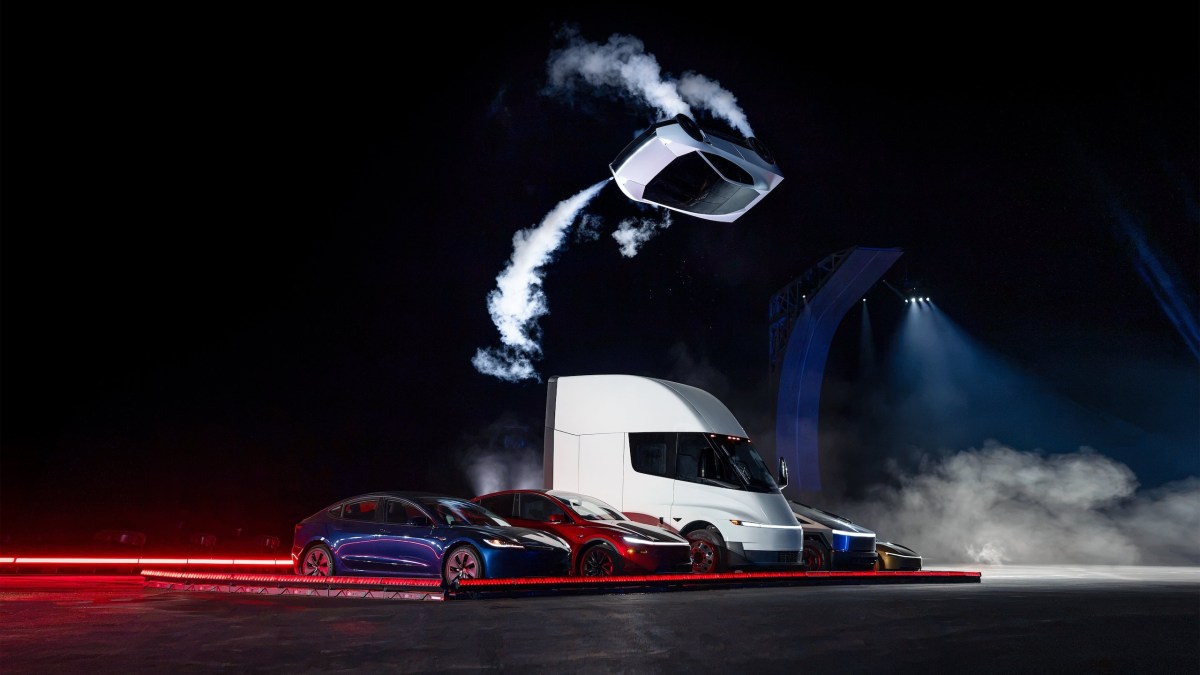
This shift has left many wondering about Tesla’s commitment to its original mission. The company’s focus seems to have pivoted towards high-performance, high-priced vehicles like the new Tesla Roadster, which recently made headlines for its dramatic unveiling. The Roadster’s theatrics—including a kick flip and driving up a wall—were undeniably impressive, but they also underscored a growing disconnect between Tesla’s early promises and its current priorities.
The Roadster: A Distraction or a Diversion?
The new Roadster is a marvel of engineering, boasting a 0-60 mph time of 0.81 seconds and a top speed of over 200 mph. However, its capabilities come at a steep price, and it does little to advance Tesla’s stated goal of making EVs accessible to the average consumer. As one observer noted, “The Roadster will not add to Tesla’s bottom line. It will not increase EV adoption or move the needle in the marketplace.”
The Roadster’s unveiling also highlighted Musk’s penchant for making bold claims that often fail to materialize. From self-driving cars to Mars colonies, Musk’s track record is littered with unfulfilled promises. As one commenter quipped, “It’s in the value of the stock,” suggesting that these announcements are more about generating hype than delivering tangible results.
The Global EV Landscape: Alternatives Emerging
While Tesla struggles to deliver on its affordable EV promise, other manufacturers are stepping into the void. In China, BYD has emerged as a formidable competitor, offering EVs at price points that undercut Tesla’s offerings. One commenter noted, “I can get a BYD Atto1 for $19,990 drive away here in Australia—that's about US$14k.”
Similarly, Vietnam’s Vinfast has introduced affordable electric crossovers starting at $18,000, with additional incentives like free charging. These examples illustrate that affordable EVs are not only possible but already a reality in some markets. The question remains: Why not in the U.S.?
The Cost of Broken Promises
Musk’s unfulfilled promises have not gone unnoticed. Customers who paid $10,000 for Full Self-Driving (FSD) capabilities over a decade ago are still waiting for the feature to be fully realized. As one frustrated commenter remarked, “People who paid $10k hard cash 10 years ago for FSD are still waiting....”
This pattern of overpromising and underdelivering has eroded trust in Musk and Tesla. While some continue to defend him, others are more critical. As one commenter put it, “He’s always been a moron, he’s never cared about helping the world, and he has never actually delivered.”
The Road Ahead
Tesla’s shift away from affordable EVs raises questions about its long-term strategy and commitment to sustainability. While the company continues to innovate in high-performance vehicles, it risks alienating the very consumers it once aimed to serve. As the global EV market evolves, Tesla may find itself playing catch-up to competitors who are delivering on the promise of affordable, accessible electric transportation.
In the end, the $25,000 EV remains a symbol of what could have been—a missed opportunity to democratize electric vehicles and accelerate the transition to a sustainable future. Until Tesla revisits this promise, the question will linger: Where’s the $25,000 EV?


