Europe Faces a 3°C Warmer Future, EU Climate Chief Warns
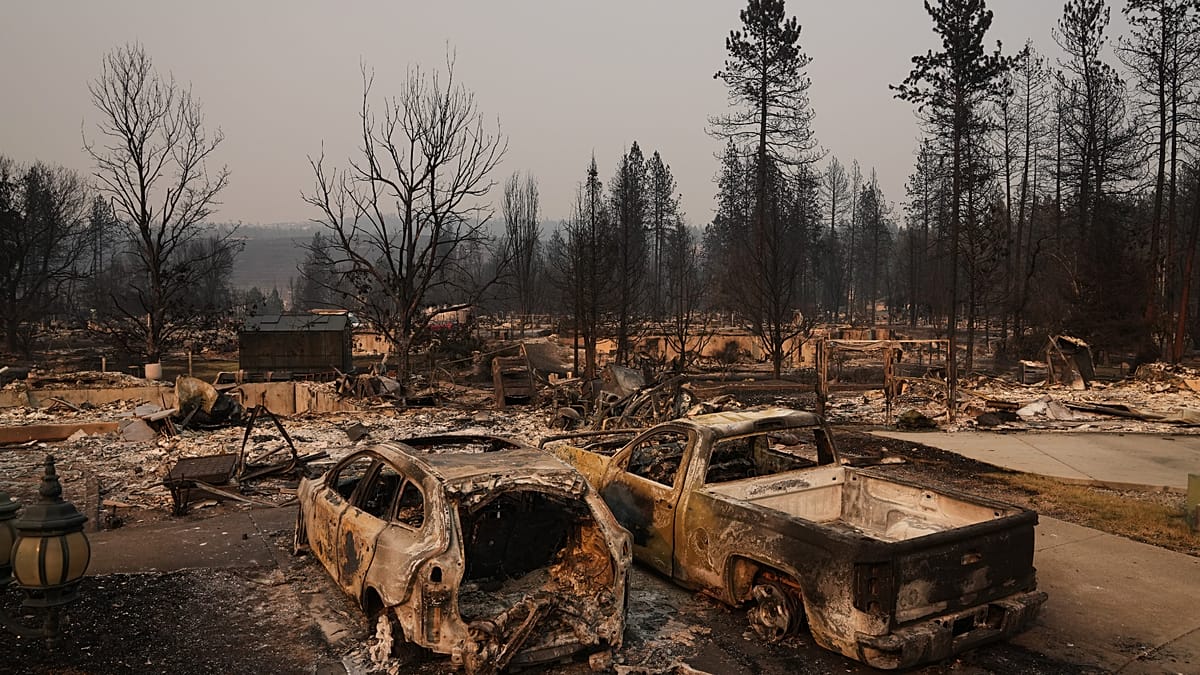
The European Union is sounding the alarm: Europe must brace itself for a world 3°C warmer than pre-industrial levels by 2100. This stark warning comes from the EU's Climate Action Commissioner, Wopke Hoekstra, who emphasizes the urgent need for preparedness in the face of increasingly extreme weather events.
New Rules, No New Funding
The European Commission is set to unveil new climate rules requiring EU governments to clearly define who is responsible for protecting citizens from climate disasters. This move aims to prevent the political finger-pointing that often follows devastating floods or wildfires. However, the strategy lacks new financial commitments to support households in adapting to these changes, raising concerns about affordability for ordinary citizens.
The Cost of Inaction
The economic damage from this summer's extreme weather in Europe is estimated at over €100 billion. From wildfires to floods, the costs of rebuilding and protecting infrastructure are mounting. Hoekstra stresses that even if emissions reduction efforts succeed, the world is already on track for a temporary or prolonged overshoot of the Paris Agreement's 1.5°C warming limit.
A Global Challenge
The discussion highlights the global nature of the climate crisis, with China and the United States often singled out as the largest CO2 emitters. While China is investing heavily in renewable energy, it continues to rely on coal, adding 30 GW of new coal power plants in the first half of 2026. The U.S., meanwhile, faces criticism for its slow acknowledgment of the issue, though some argue that recent policies have inadvertently disrupted the fossil fuel economy.
Local Impacts, Global Consequences
A 3°C rise in global temperatures doesn't mean every day will be 3 degrees hotter. Instead, it translates to more extreme weather patterns, with colder cold days and hotter hot days. For Europe, this could mean more frequent massive wildfires, crop failures, and mass migrations as areas become uninhabitable. As one commenter notes, 'It's not looking good and I don't think the kids born in the next decade will have a good life.'
Adapting to the New Normal
The Commission wants to introduce a culture of preparedness, ensuring that new infrastructure is designed with future climate scenarios in mind. However, the lack of funding for household adaptations remains a significant hurdle. While the EU budget includes 35% for climate and nature, competing priorities like defense and agriculture complicate the allocation of resources.
The Role of Insurance
Brussels is also looking to the insurance sector to fill the protection gap. Currently, only about 25% of assets exposed to climate impacts are insured, leaving governments and property owners vulnerable to substantial losses. Commissioner Hoekstra acknowledges that many areas in Europe are underinsured against climate disasters.
A Race Against Time
As the world grapples with the realities of a warming planet, the EU's strategy underscores the need for both mitigation and adaptation. However, without adequate funding and global cooperation, the transition to a resilient future remains uncertain. As one commenter grimly observes, 'We are a just a blink in her timeline, sucks for the animals and ecosystem that lives at the same time with us though.'
The clock is ticking, and the choices made today will determine the world we leave behind.

