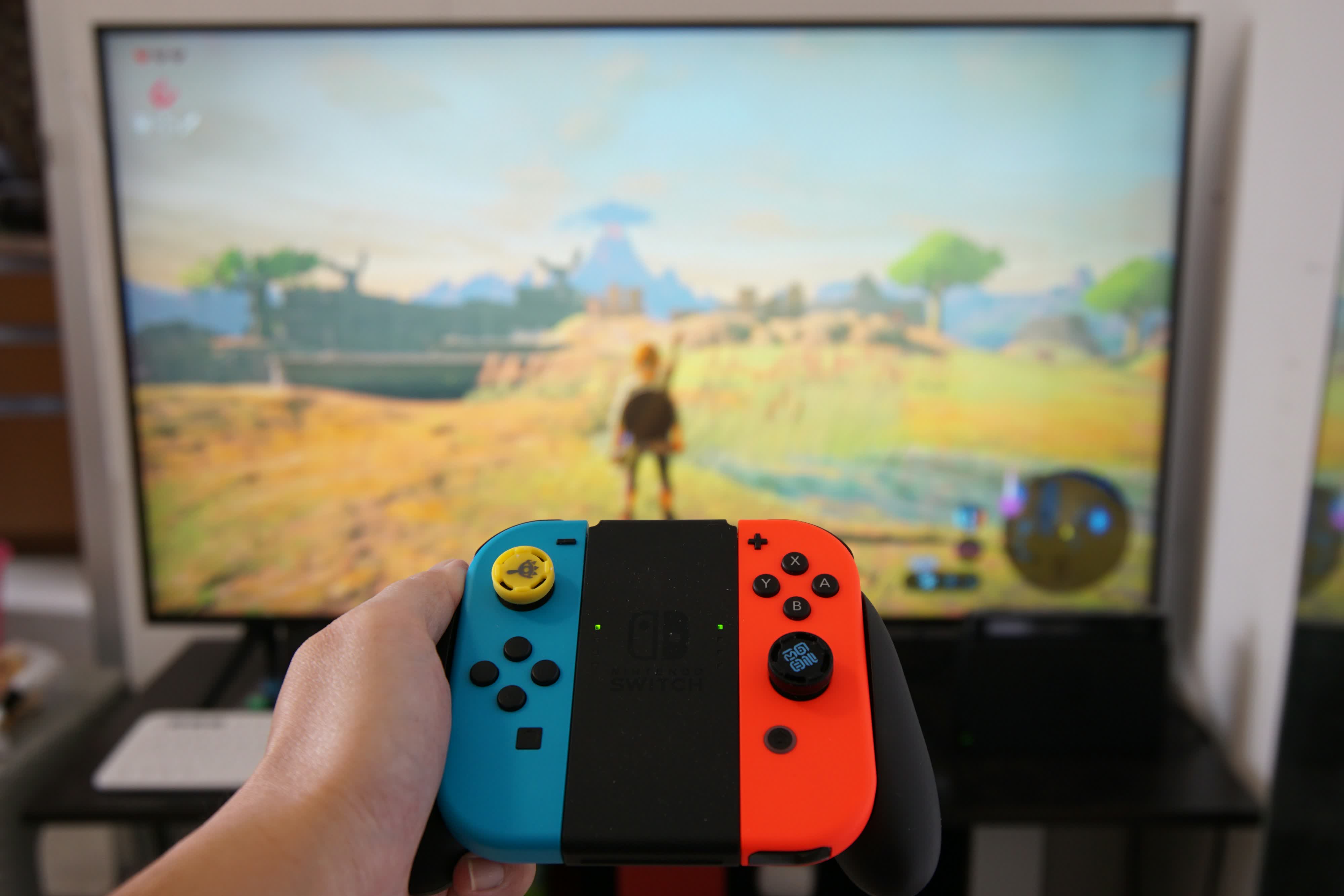
A new open-source project is blurring the traditional lines between dedicated handheld consoles and mobile hardware, allowing select Nintendo Switch games to run directly as apps on modern iPhones, iPads, and Mac computers. Dubbed nxnative, the project sidesteps conventional emulation methods by converting game code to execute directly on Apple’s Arm-based processors.
How Native Execution Works
Traditional console emulation requires a software layer to continuously interpret foreign hardware instructions on a different processor architecture. However, because both the Nintendo Switch and modern Apple devices rely on Arm-based chips, the underlying processor instructions share a foundational compatibility.
Rather than translating the entire game at runtime, nxnative replaces only the platform-specific components. A lightweight host program stands in for the console's operating system, while graphics calls are translated directly to Apple's Metal API instead of Nintendo's proprietary interface. This approach resembles compatibility layers used on other platforms, where game code runs natively while system calls and graphics APIs are mapped to the host operating system.
Supported titles can see performance enhancements. With specific game updates, titles like The Legend of Zelda: Breath of the Wild and Tears of the Kingdom can run at 60 frames per second rather than the original hardware's 30 frame-per-second cap. Testers have reported running games such as Monster Hunter Rise at a locked 60 fps on base-model M1 MacBook Air systems.
Setup Requirements and Limitations
Despite the technical breakthrough, deploying these apps requires significant technical effort. Users must supply their own legally acquired game files and decryption keys extracted from a physical console. Building the application requires a Mac running Xcode to execute the build script, and the resulting app must be sideloaded onto a supported device using external software tools.
Hardware restrictions also apply. The mobile applications require an iPhone 15 Pro or newer, or an M1-equipped iPad or newer, to handle the compressed textures utilized by the games. Additionally, features such as online multiplayer and peripheral support, including amiibos, are unavailable in these builds.
Discussions surrounding the project have highlighted both excitement over mobile hardware capabilities and skepticism regarding setup complexity and hardware demands. Some observers noted practical hurdles during compilation, with one remarking, "If I could figure out how to run it, this would be cool. Unfortunately, I’m dumb."
Others pointed out that modern mobile chips outpace the aging architecture of the original console, leading to efficient performance during extended play sessions. As one user observed, "Playing Metroid Dread and Echoes of Wisdom at 60 FPS with normal battery drain and no heating at all on an iPhone Air. It’s incredible considering how behind iOS was just a year ago when it came to emulation."
Legal Context
Because the project does not distribute copyrighted game data or proprietary Nintendo software, it operates in a legal gray area similar to past emulation tools. Every build relies entirely on user-supplied files. Nonetheless, developers of previous Switch emulation software faced substantial legal pressure and financial settlements from Nintendo in recent years, leaving the long-term outlook for independent compatibility projects uncertain.

