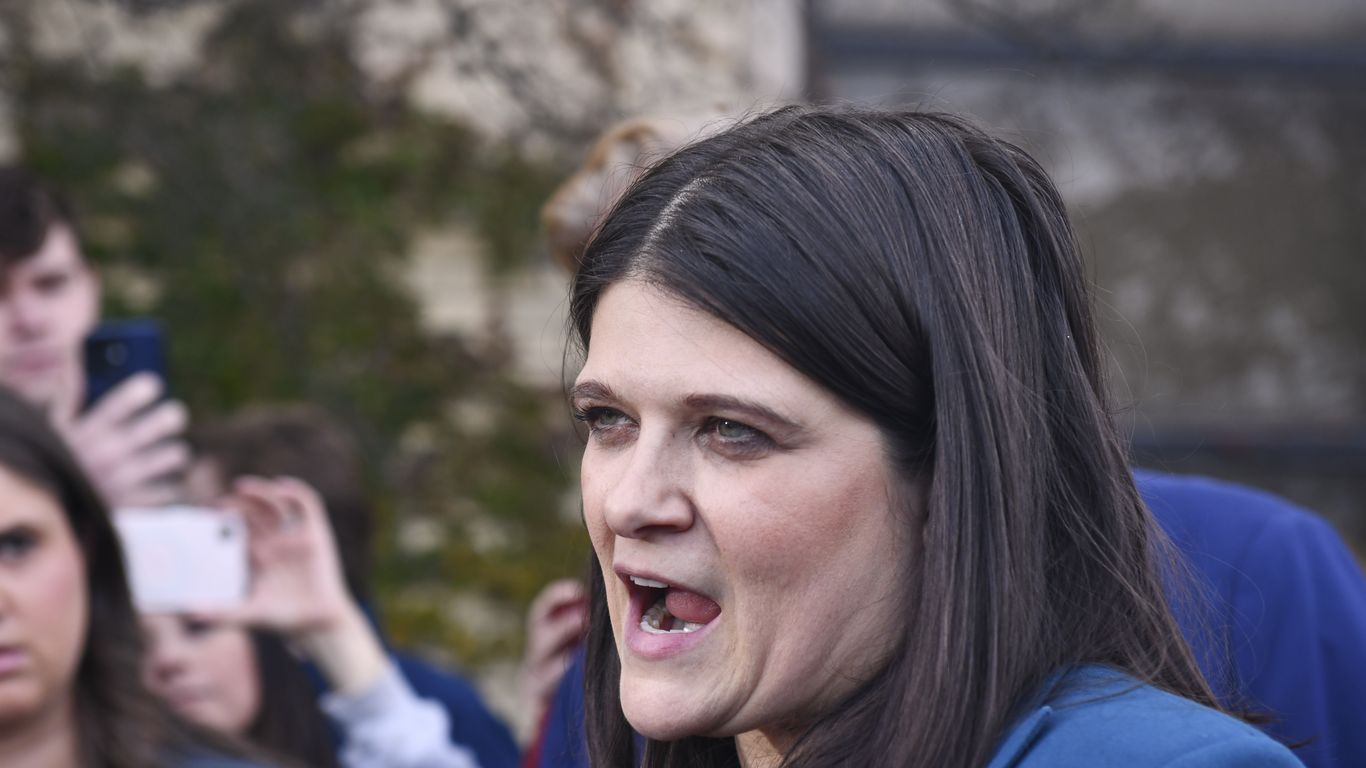
Representative Haley Stevens has formally requested security protection from the U.S. Marshals Service following intense public backlash and a wave of reported death threats. The request comes amid high-stakes political turmoil as Stevens finds herself at the center of growing national scrutiny over her recent political stances, endorsements, and inflammatory public statements.
While high-profile lawmakers frequently face hostile communications during heated political cycles, the escalation in threats against Stevens highlights the volatile atmosphere currently gripping public discourse. Her formal request for federal protection underscores the severity of the situation as authorities evaluate the credibility of the safety risks involved.
Escalating Safety Concerns and Calls for Federal Security
The request for U.S. Marshals' protection reflects heightened security protocols often triggered when members of Congress face credible harassment or explicit threats to their physical safety. Serving out the remainder of her term in the House of Representatives, Stevens remains a public figure entitled to federal security assistance under specific threat criteria.
Supporters and political observers note that public officials facing hostile rhetoric must prioritize personal safety regardless of political controversy. However, critics view the request as part of a broader public relations maneuver aimed at capturing media attention and shifting the public narrative following recent primary setbacks and partisan disputes.
Despite the intense polarization surrounding her office, observers across the political spectrum emphasize that threats of violence against elected officials represent a dangerous breakdown in political discourse. While opinions remain divided on her political future, the safety protocols initiated by her office underscore the high-pressure environment surrounding modern congressional representatives.
Public Reaction and Political Fallout
The announcement has drawn sharp reactions online and across media platforms, reflecting deep political divisions over her public conduct and policy alignments. Many commentators view the controversy as a consequence of her recent political shifts, while others debate the necessity of public-funded security for outgoing members of Congress.
"Why does a private citizen who failed in their primary months ago need taxpayer funded bodyguards because she chose to make inflammatory statements very publicly?"
Others pointed out that, regardless of campaign outcomes, active lawmakers maintain distinct security requirements while still in office.
"Technically she is a congresswoman till the new year."
"Shes a member of congress until January and should be granted all reasonable protections."
At the same time, many observers argue that political disagreements should never devolve into threats of physical harm, even as skepticism remains high regarding the political timing of the announcement.
"People should not be threatening her life. Just shame her."
"You name a political figure, they have had threats to their life."
Navigating a Polarized Political Landscape
The unfolding situation surrounding Haley Stevens illustrates the increasingly precarious environment faced by public officials during times of intense partisan friction. As federal authorities review her request for U.S. Marshals' protection, the debate continues over the line between legitimate safety concerns and public political positioning.
Whether the request results in sustained federal security coverage or remains a temporary measure, the episode reflects a broader atmosphere of political hostility where public statements carry severe personal and professional consequences. For now, Stevens continues her remaining duties in Congress amid ongoing public scrutiny.


